Morning light along the coast
CLYNE RESEARCH

A little more understanding.
A life with more possibility.

AI-generated brand film · Higgsfield
LIVE AHEAD. STAY CURIOUS.

Understand more. Live ahead.

Original papers. Clear explanations. A conversation about what comes next.

Explore the evidence.

15 papers to explore · original sources

THE ORIGINAL, BESIDE THE EXPLANATION
Diabetes, Obesity and MetabolismOriginal paper · 2022 · 12 pages
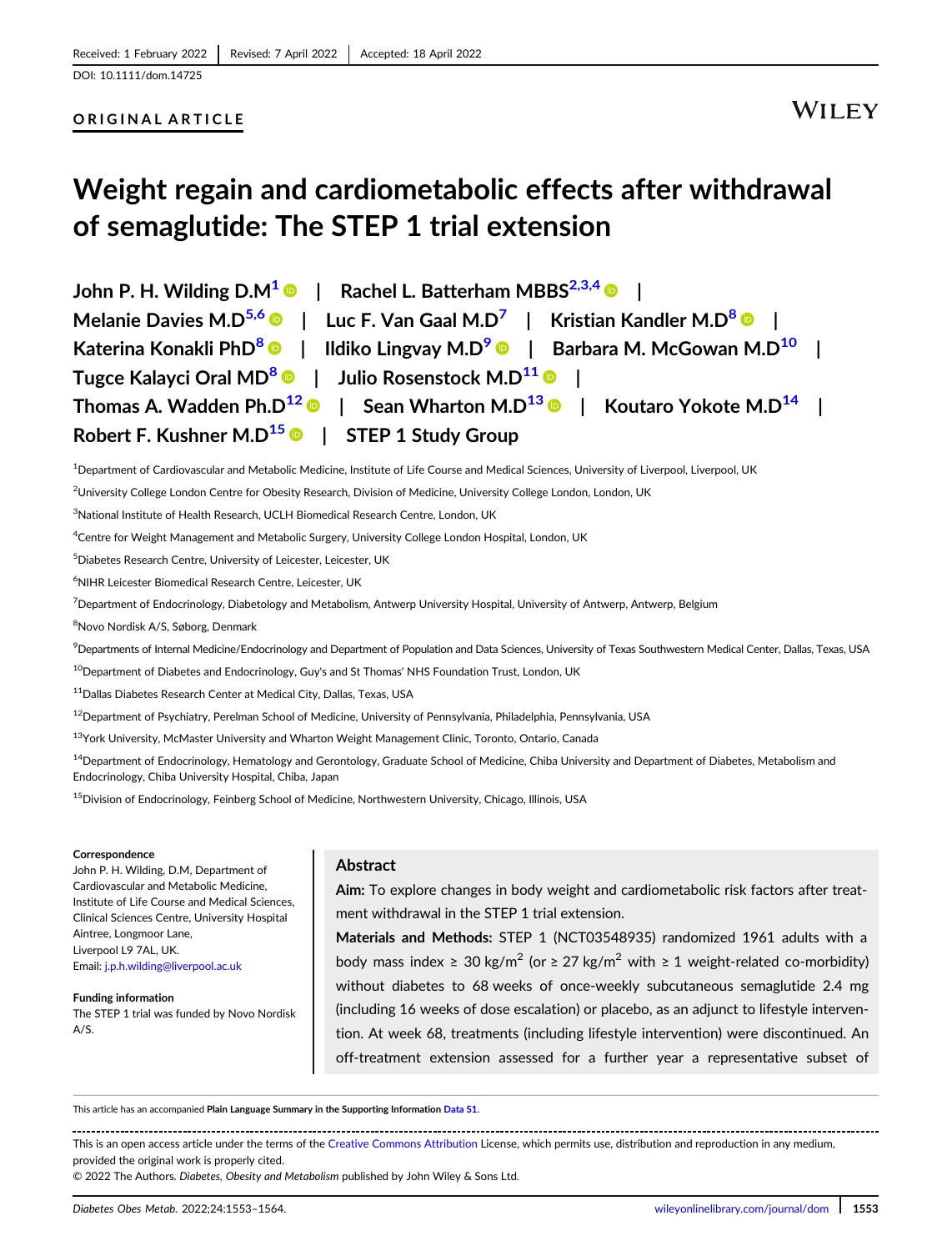
Original published paper, page 1: Weight regain and cardiometabolic effects after withdrawal of semaglutide: The STEP 1 trial extension
CC BY 4.0 · Original sourcePublication ↗

Bring your own context to the evidence.Sign in to personalize
IN PLAIN ENGLISHFull paper

This study followed a subset of participants from the STEP 1 trial for one year after stopping semaglutide 2.4mg (or placebo) and lifestyle counseling. Those who had taken semaglutide regained about two-thirds of their lost weight, and most heart/metabolic improvements largely reversed, though some benefits partially persisted. During the 68-week randomized treatment period, mean weight loss was 17.3% with semaglutide vs 2.0% with placebo. One year after stopping treatment (week 120), net weight loss from baseline fell to 5.6% (semaglutide) vs 0.1% (placebo), meaning the semaglutide group regained about two-thirds of the weight lost. At week 120, 48.2% of former semaglutide users still had ≥5% weight loss from baseline, down from 86.4% at week 68. Cardiometabolic measures (blood pressure, HbA1c, CRP, lipids) that improved during treatment mostly reverted toward baseline in both arms by week 120, though some benefits (HDL, VLDL, triglycerides, CRP) remained modestly better than placebo.

This research highlights that obesity may behave as a chronic condition where stopping medication is followed by substantial weight and cardiometabolic regain, suggesting ongoing treatment may be needed to sustain benefits. This is educational context for understanding drug withdrawal patterns, not a recommendation about starting, stopping, or continuing any specific treatment.

Study details & limits

STEP 1 was a randomized, double-blind, placebo-controlled trial in 1961 adults with obesity (or overweight plus a related condition), without diabetes, comparing 68 weeks of once-weekly semaglutide 2.4mg plus lifestyle counseling versus placebo plus lifestyle counseling. This extension was an observational, non-randomized follow-up of 327 participants (a representative subset from 5 countries) for one additional year after all treatment and lifestyle support stopped; no adverse events were systematically collected during this phase.

Participants who lost the most weight during treatment (e.g., ≥20%) regained the most in absolute terms after stopping, but still retained the largest net weight loss at week 120 compared to those who lost less initially.

This was an observational (non-randomized) follow-up with no active treatment or lifestyle support, a small sample (327 of the original 1961), and sites selected partly by highest enrollment, which could introduce selection bias, though baseline characteristics were similar to the full trial population.

All extension analyses were exploratory with no formal statistical testing or pre-specified power calculations; adverse events were not systematically tracked during this off-treatment phase, so safety data for this period are incomplete.

The study was funded by Novo Nordisk (semaglutide's manufacturer), and several authors report financial ties (advisory fees, grants, employment) to Novo Nordisk and other pharmaceutical companies, which is a relevant conflict of interest to consider when interpreting results.

AI explanation · full paper.

MAKE IT PERSONAL

What happens to weight and cardiometabolic markers with longer than 1 year of follow-up after stopping semaglutide?

From understanding to a next step.

Explore weight care with a guided conversation about your goals and health history.

Europe PMC biomedical discovery · Crossref journal discovery · Full text varies by access